Best Vitamins for Energy After 45: Nutrients That Help Reduce Fatigue
Discover the best vitamins for energy after 45 and learn how nutrients like B vitamins, magnesium, iron, and vitamin D support metabolism and help reduce fatigue to maintain stable daily energy levels.
NUTRITION FOR ENERGY
1/12/20265 min read
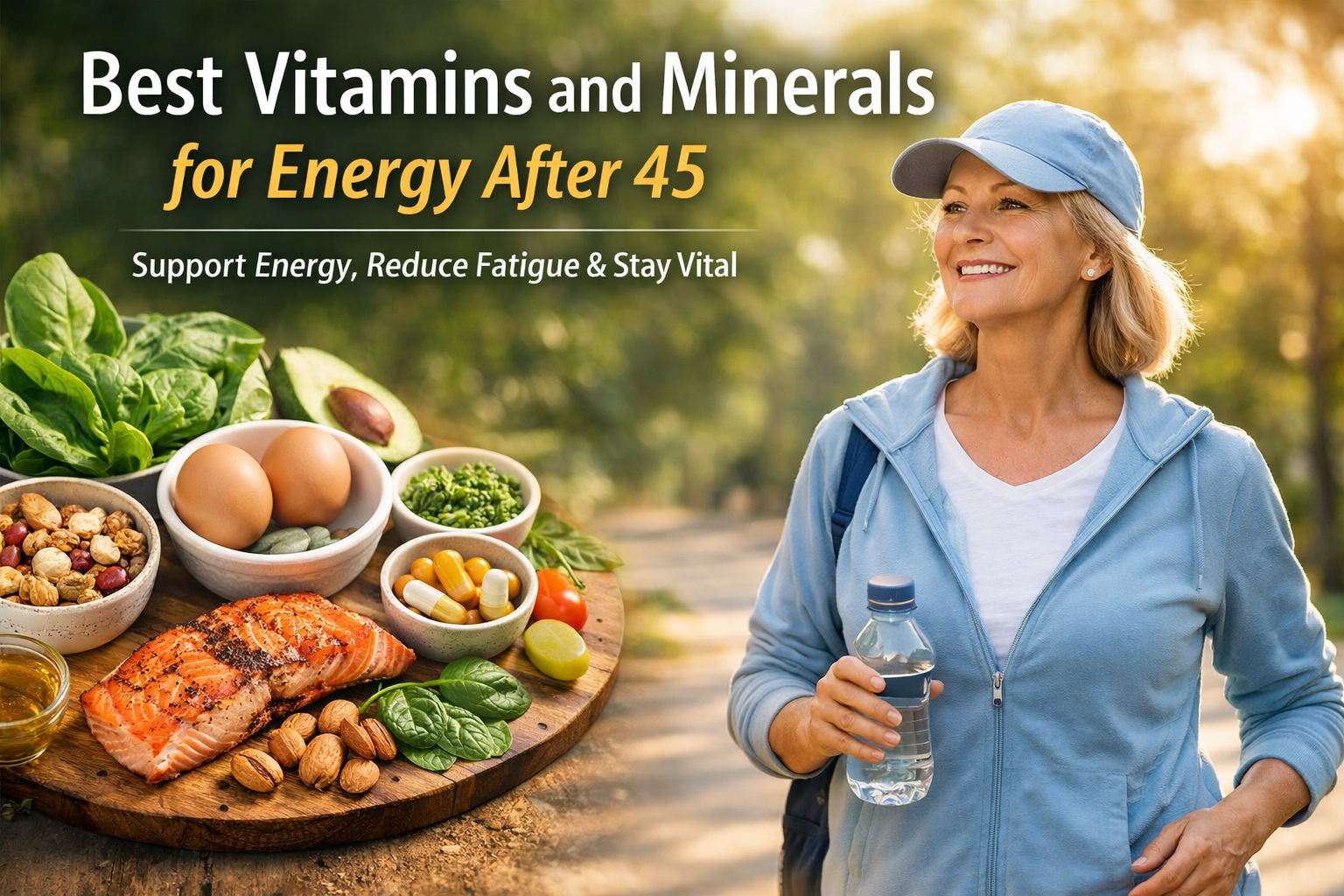
Best Vitamins and Minerals for Energy After 45
Many people start searching for the best vitamins for energy after 45 when they notice that daily fatigue becomes more common. Nutrient intake plays an important role in cellular energy production, and certain vitamins and minerals are frequently discussed in relation to vitality. Vitamins and minerals play an essential role in metabolism and cellular energy production. When certain nutrients become too low, the body may struggle to maintain optimal energy levels, which can lead to fatigue, reduced focus, and lower overall vitality during the day.
What You'll Learn
In this article you'll discover:
• vitamins commonly associated with energy production
• how nutrients support cellular metabolism
• foods that naturally provide these nutrients
• when some people explore supplemental options
Which Nutrients May Help Support Energy and Reduce Fatigue?
Maria is 52.
She sleeps reasonably well, tries to eat healthy, and keeps a fairly active routine.
Yet she often feels tired during the day.
Not exhausted, just constantly low on energy.
At first, she thought it was simply part of getting older.
But after talking to a friend, she began wondering something different:
“Could my body be missing important nutrients?”
It’s a common question.
Many adults begin searching for the best vitamins for energy after 45 when they notice that their energy levels are not what they used to be.
While no vitamin works like an instant stimulant, several nutrients play important roles in how the body produces and regulates energy.
Understanding these nutrients can help explain why fatigue sometimes appears after midlife.
Why nutrients influence energy levels
Energy production in the body happens through complex biochemical processes.
Inside cells, structures called mitochondria convert nutrients into ATP, the molecule that powers most biological functions.
Several vitamins and minerals participate in this process.
When these nutrients are insufficient, the body may struggle to maintain stable energy levels.
Scientific reviews show that micronutrients play important roles in fatigue regulation and cognitive performance (Tardy et al., Nutrients, 2020).
Because many people today choose to complement their diet with nutritional supplements, this article may occasionally reference products from trusted partners. If readers choose to explore those options, we may receive a small commission that helps support the research and educational content provided on this site.
Key nutrients that support energy after 45
Many nutrients are involved in energy metabolism, but some play particularly important roles.
Energy production depends on multiple nutrients working together rather than a single vitamin.
B Vitamins
B vitamins are among the most important nutrients involved in energy production.
They help the body convert carbohydrates, fats, and proteins into usable energy.
Important B vitamins include:
Vitamin B1 (thiamine)
Vitamin B2 (riboflavin)
Vitamin B6
Vitamin B12
Vitamin B12 is especially relevant after midlife because absorption may decline with age and plays an important role in red blood cell formation and cellular energy metabolism.
Food sources include:
fish
eggs
poultry
dairy
whole grains
Some people prefer a convenient daily option when dietary intake is inconsistent. One widely available option in the U.S. is Nature Made SUPER B-COMPLEX, which is designed to help convert food into cellular energy.
Magnesium
Magnesium participates in hundreds of biochemical reactions in the body.
It is directly involved in ATP production, the body's main energy molecule.
Low magnesium intake has been associated with fatigue and increased stress sensitivity in some individuals.
Food sources include:
almonds
pumpkin seeds
spinach
beans
whole grains
In situations where magnesium intake from food may vary, some people include a magnesium supplement as part of their daily routine. A commonly available option in this Magnesium Complex Powder.
Iron
Iron helps transport oxygen through the bloodstream.
Because oxygen is essential for cellular energy production, low iron levels may contribute to fatigue.
Iron-rich foods include:
red meat
lentils
beans
spinach
Women and older adults sometimes have lower iron intake, which may influence energy levels.
Because iron is involved in oxygen delivery throughout the body, lower iron levels may sometimes be associated with fatigue. In some cases, people explore iron supplements such as Nature Made Iron 18 mg Gummies with Vitamin C, which also include vitamin C to support absorption.
Iron supplementation should generally be considered carefully, as needs may vary between individuals.
Vitamin D
Vitamin D is often associated with bone health, but it also plays roles in muscle function and overall well-being.
Some studies have explored the relationship between vitamin D levels and fatigue, especially in individuals with deficiency.
Sources include:
sunlight exposure
fatty fish
fortified foods
Balanced nutrition and consistent lifestyle habits often have a greater impact on energy levels than relying on a single nutrient.
Vitamin D plays an important role in several physiological processes, including bone health, muscle function and immune regulation. Although it is not directly involved in cellular energy production, maintaining adequate vitamin D levels may contribute to overall vitality.
Vitamin D can be obtained through sunlight exposure and foods such as fatty fish, egg yolks and fortified dairy products. When these sources are limited, some individuals explore supplemental options such as Nature Made Vitamin D3.
Coenzyme Q10 (CoQ10)
CoQ10 helps mitochondria generate energy.
Levels of CoQ10 naturally decline with age, which is why it is often discussed in relation to energy and vitality.
Food sources include:
fatty fish
organ meats
whole grains
Coenzyme Q10 (CoQ10) is a compound naturally present in the body that plays a role in cellular energy production. Because its levels may gradually decline with age, some people explore CoQ10 supplements as part of their nutritional routine. One commonly available option in the U.S. is this CoQ10.
Can vitamin deficiencies cause fatigue?
This is one of the most common questions people ask.
Can low vitamin D cause fatigue?
Research suggests that vitamin D deficiency may be associated with fatigue in certain individuals.
Can magnesium help with fatigue?
Magnesium supports energy metabolism and stress regulation, which may influence how energized someone feels.
What vitamins give you more energy?
Rather than “boosting” energy instantly, nutrients such as B vitamins, magnesium, and iron support the biological systems responsible for producing energy.
Nutrients work best as part of a balanced diet
While vitamins are important, energy is rarely influenced by just one factor.
Balanced nutrition typically includes:
proteins
healthy fats
complex carbohydrates
vitamins and minerals
Foods that naturally support energy include:
eggs
fish
leafy greens
nuts
beans
whole grains
These foods provide nutrients that help maintain energy metabolism and overall vitality.
Daily habits that support nutrient balance
Several habits may help support adequate nutrient intake.
Examples include:
eating balanced meals
including vegetables in most meals
consuming enough protein
maintaining hydration
spending time outdoors for vitamin D
Simple habits practiced consistently may support long-term well-being.
Always consider your personal health conditions and individual needs.
Final thoughts
Many adults begin wondering about the best vitamins for energy after 45 when fatigue becomes more noticeable.
While vitamins are not quick fixes, they are essential for the biological processes that allow the body to produce energy.
Understanding how nutrients support these systems may help people make better choices about nutrition and lifestyle.
Supporting energy often begins with simple foundations: balanced nutrition, regular movement, adequate sleep, and healthy daily habits.
Vitamins and minerals play a key role in cellular energy production. Understanding the best vitamins for energy after 45 can help explain why certain nutrient deficiencies may contribute to fatigue. Nutrition, balanced meals, and healthy lifestyle habits also influence how effectively the body produces energy during daily activities.
Related Articles
If you'd like to explore this topic further, continue with:
Frequently Asked Questions
What vitamins help increase energy after 45?
Several nutrients support energy metabolism, including B vitamins, magnesium, iron, vitamin D, and CoQ10. These nutrients help the body convert food into usable energy.
Can low vitamin D cause fatigue?
Low vitamin D levels have been associated with fatigue in some individuals. Vitamin D also plays roles in muscle function and immune health.
What is the best supplement for energy after 50?
There is no single supplement that works for everyone. Nutrients such as B vitamins, magnesium, iron, and vitamin D are often discussed in relation to energy metabolism.
Vitamins and minerals play an important role in cellular metabolism, but they work best as part of a broader lifestyle approach that includes balanced nutrition, physical activity and consistent sleep habits.
Scientific References
The following studies and scientific reviews helped inform the content of this article.
Tardy AL et al.
Vitamins and Minerals for Energy, Fatigue and Cognition.
Nutrients. 2020.
Noah L et al.
Magnesium and Vitamin B6 Supplementation and Stress.
PLOS ONE. 2021.
Di Molfetta IV et al.
Vitamin D and Fatigue: A Systematic Review.
Nutrients. 2024.
Medical Disclaimer
Affiliate Disclosure
Editorial Policy
Someone you care about might need to hear this, share it with them.
Want to keep learning?
Subscribe to receive weekly content about strength, independence, well-being, and longevity.
Contact
Send your testimonial or contact us
info@masteractive.life
© 2026. All rights reserved.
About Our Project:
Editorial Policy
Medical Disclaimer
Affiliate Disclosure